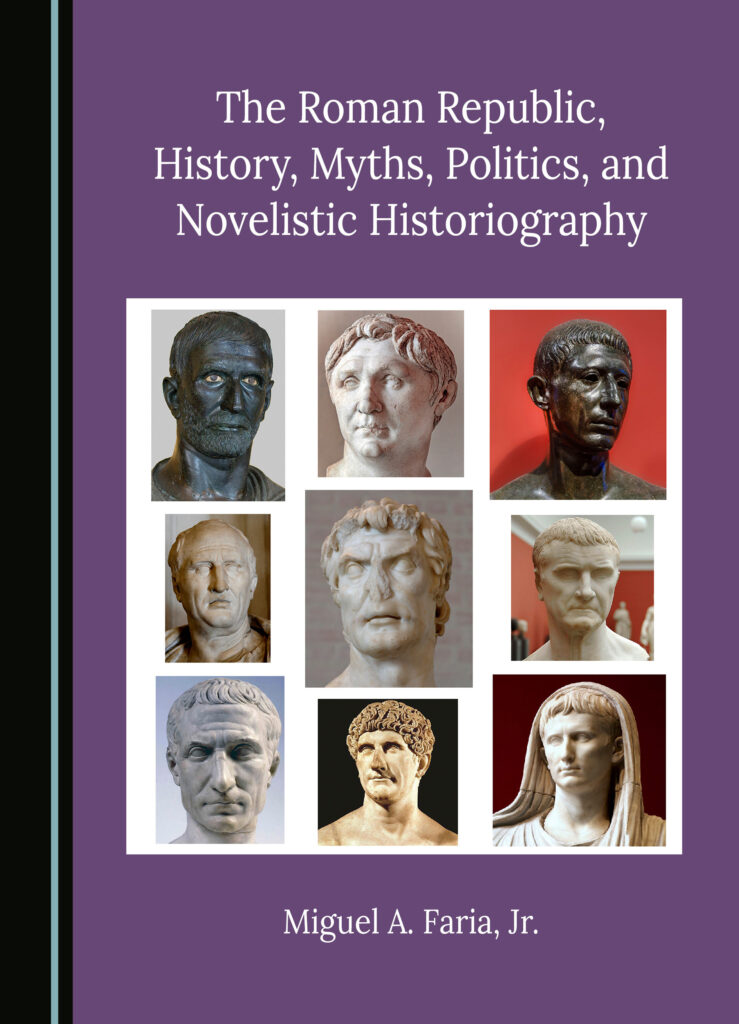
I believe Dr. Faria’s work is essential for dedicated Second Amendment advocates, and although not specifically focused on the right to keep and bear arms, ancient Rome provided the bedrock on which the foundations for our own Republic were set. [More]
We need to understand where we came from to better determine where we are and where we could be headed.





Where can I buy this book? Not available on Amazon, e-bay, or thrift books.
Link at end of article. It converts currency.
The founders wanted a government where the people ruled without the permissions of an aristocracy. Yet they also knew that without some influence from “older and wiser heads” pure democracy can and will devolve into mob rule. They thought that a republic would suit, but were well aware that every republic they were aware of, including the much studied Roman Republic, had eventually failed.
So they did one from column A, one from Column B, one from column C, fold until well blended, run it up the flagpole and see who shoots at it. And after all of that, they almost blew it before the new Constitution of the United States of America was even ratified.
“A republic, if you can keep it.” — Benjamin Franklin
https://www.nps.gov/articles/000/constitutionalconvention-september17.htm
The except from this history on Sulla after he returned to Rome is absolutely disqualifying:
The old laws and traditions of the Republic allowed for a six month long dictatorship. His was a couple of years long. tried to destroy much of that mos maiorum although major reforms were desperately needed, and his revenge as the author put it was a regular White Terror against the populares.
That Julius Caesar was even a historical figure is because Sulla listened to mutual friends who interceded on the teenager’s behalf, and in his memoirs he was bitter he ignored Caesar’s extreme ambition and didn’t proscribe him (have him executed).
All of this might be OK if the optimates were in the right, but the rich plunder in land and slaves from the Republic’s wars, especially the Third Punic War that ended Carthage, allowed the optimates to do something that should sound very familiar to us:
The old system of small freeholder farmers who formed the army when needed was replaced by oligarchs running latifundia, huge farms worked by slaves upon which their economics of cheap food depended. Free Romans were effectively forced to move en masse to Rome for its “bread and circuses.” Perhaps compare to English enclosures, except the Industrial Revolution picked up the slack for employment of the farmers pushed out of that profession.
Every attempt by the populares to address these problems was crushed by the optimates, often by extrajudicial murder like the Gracchi brothers. Who were a mixed bag, but they and those who followed them were at least trying to address an existential threat to the Republic. All in all there was a mutual bloodletting of the ruling class by these factions that seriously weakened the Republic’s leadership.
Marius gets credit for accepting the mess as it was, and reforming the army into something capable, but much more dangerous with professional soldiers who’s allegiance tended to be to generals. All in the the ‘p’ in SPQR was effectively dead long before the Republic formally became an empire.
Again, these parallels right down to the multiple attempts on Trump’s life should sound very familiar.